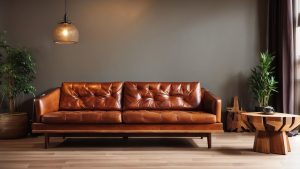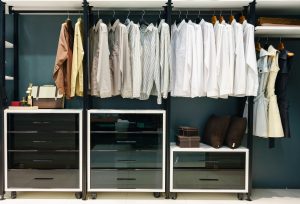

A well-shaped space brings comfort and balance, and many people turn to customised pieces to reach that harmony. A short glance at any room shows how shapes, colours, and materials change the way a home feels, so choosing each part with care becomes essential. Many look for designs that reflect personal taste, and this explains the rising demand for customised items. In the middle of this shift, the search for customized furniture continues to grow across different homes in the region.
As more homes use flexible designs, more people are interested in unique furniture pieces. This change encourages many to explore a wider set of options. The search connects people to new ideas and new forms of design, creating space for better decisions. Those who explore online furniture in Singapore also discover plenty of new styles. This makes the selection process more open and helps each person create a room that suits their real needs.
Understanding Space Needs in Singapore
A room carries its own rhythm, so understanding the layout remains important before choosing any piece. Tight corners, long walls, or uneven spacing change how a design fits into the home. A clear plan helps avoid future issues and keeps the room balanced. Good preparation guides the full design journey and shapes stronger choices.
The space guides how large or small a piece should be and how it connects to other items within the room.
Key Space Planning Points:
- Measure the main walking areas to keep movement steady and prevent blockage that disrupts the natural layout.
- Note any fixed elements like built-in structures so the new piece blends into the existing room plan without causing strain.
- Match proportions with the room’s width and height to build a balanced look that remains pleasant through daily use.
A short review of spacing supports better decisions and keeps the room clean and clear. When exploring online furniture in Singapore, many platforms show size guides that make planning simple. With these tools, each design step becomes smoother and more confident.
Matching Style With Daily Use
Daily routines influence how a room functions, so style must work well with comfort and structure. A pleasing design loses its value if it disrupts movements or makes normal tasks harder. A strong piece supports ease without drawing unwanted attention. When style and purpose connect well, the room feels unified and practical.
Colour plays a central part in shaping the home’s character. Bright tones bring openness, while deeper tones add strength. The right shade guides the eye across the room and builds balance. This helps form a steady environment that feels natural and well-placed.
Guidelines for Style Selection:
- Choose colours that work with the natural light so the room appears open and smooth throughout different times of the day.
- Pick shapes that suit the overall theme, which helps the piece settle into the room without feeling forced or oversized.
- Select textures that bring visual interest while staying easy to maintain, helping the piece stay fresh and long-lasting.
This careful match of colours, shapes, and textures builds a room that feels solid and connected. Such planning supports the use of online furniture in Singapore, making it simpler to explore new design ideas and understand how they fit into daily living.
Choosing Durable Materials
Strong materials give each piece lasting value. Wood brings natural warmth, metal provides steady support, and blended materials offer smooth surfaces that remain practical. A careful study of material strength helps avoid repeated changes. This supports long-term use and builds confidence in each design decision.
A steady finish protects the surface from marks and wear. A smooth coating keeps the piece fresh while making cleaning easier. Good finishes improve the life of customized furniture and preserve its form for many years.
Balancing Comfort and Structure
Comfort shapes how a room feels during daily use. A strong structure supports the body and keeps movement steady. Soft elements add ease while holding their form well. When both parts work together, the piece becomes dependable and pleasant.
Each person may prefer a different level of firmness, so testing different textures helps shape the ideal choice. Gentle curves, steady frames, and balanced softness work together to improve the overall experience. This makes daily routines smoother and more satisfying.
Comfort and Support Essentials:
- Pick cushioning that supports posture without sinking too deeply, creating a steady and pleasant feel.
- Check frame strength to ensure the structure holds its shape through repeated use, keeping the piece reliable and stable.
- Choose fabrics that resist wear while staying gentle to the touch, helping the piece maintain its shape across time.
These choices help the piece serve both support and structure. Many online furniture platforms in Singapore now include small comfort guides that make comparisons easier and more useful.
Craft and Detailing
Strong craft shapes a piece that feels refined and remains dependable. Clean joints, smooth edges, and careful layering show the maker’s skill. These features influence how the piece looks and how it performs across time. When selected with care, detailing adds visual depth without overwhelming the room.
Patterns, trims, and subtle shaping also enrich the design. These details help customized furniture blend well with the rest of the home. A well-crafted piece displays harmony in every corner and supports long-term value with ease.
Storage and Practical Features
Practical features support a clean room. Hidden drawers, sliding shelves, and extendable surfaces help keep objects organised. These small additions improve everyday living and help homes with tighter layouts feel more open. Good features also reduce clutter without affecting the flow of the room.
A thoughtful review of storage needs helps match the piece with the room’s layout. This makes the final design far more useful in daily routines. It also strengthens the purpose of each space, whether compact or wide.
Smart Storage Choices:
- Map out the items that need storage so the new piece carries the right number of compartments.
- Choose mechanisms that open smoothly to support safe and steady movement.
- Select structures that use space wisely without adding weight or blocking main walkways.
These features guide the design toward balance and usefulness. With careful planning, storage becomes a natural part of the room rather than an added burden.
Shape, Scale, and Visual Balance
Shape controls how the eye travels across the room. Rounded forms bring softness, while sharper outlines add firmness. The correct shape creates support and balance without drawing too much focus. A good scale ensures the piece fits the room without shrinking it or overpowering it.
A clear shape creates balance among the different elements in the room. This helps the space feel organised and thoughtfully designed. With customized furniture, shape and scale become easier to control, helping the piece settle naturally into the room.
| Material Type | Strength Level | Best Use Case |
| Solid Wood | High | Long-term pieces needing natural character |
| Metal | Very High | Strong frames and modern styling |
| Engineered Boards | Medium | Lightweight designs with smooth surfaces |
A Short Guide to Material Strength
A short study of these points helps guide material selection and build stronger confidence in the final choice.
Environmental Considerations
Many homes now search for sources that support cleaner production. Sustainable wood, reclaimed fibres, and recycled metals help reduce waste. These materials encourage better choices for both the home and the environment. Selecting such materials keeps the home healthy and supports responsible design.
Choosing stronger, eco-friendly options adds long-term value to customized furniture. These thoughtful decisions help shape a future-friendly home without losing comfort or beauty.
Conclusion
Selecting custom pieces becomes easier when guided by clear goals. Each decision combines structure, shape, comfort, and daily needs. When all parts work together, the final piece blends into the home with ease and creates a balanced environment. A thoughtful choice supports daily routines and strengthens the character of the room through steady and purposeful design.
FAQs
- Why does planning the room layout matter when selecting custom pieces?It helps prevent spacing issues and ensures the piece fits naturally within the existing setup.
- How do materials influence long-term performance?Different materials handle weight, movement, and wear in unique ways, so strong options keep the piece stable for years.
- What helps decide the right size for a room?Review the room’s open areas, pathways, and overall theme to choose a size that does not obstruct movement.
- How does style shape the final impact of a custom design?It guides the character of the room, allowing each new piece to strengthen the home’s overall identity.