
Creating furniture that perfectly suits your home and lifestyle is more achievable than ever. When mass-produced options don’t quite meet your needs, designing customized furniture offers a solution that’s both personal and practical.
Whether you’re furnishing a small apartment, upgrading your workspace, or refreshing a family room, custom furniture lets you take control of dimensions, materials, and style. Here’s a step-by-step guide to help you turn your vision into reality.
Why Choose Customized Furniture for Your Space?
Off-the-shelf furniture often comes with compromises. It might be too large, the wrong color, or simply lack character. Customized options eliminate those trade-offs by giving you full control over how each piece looks, functions, and fits.
More people are turning to custom design because it allows for better use of space, especially in compact homes. And when paired with high-quality materials, it can offer better durability and sustainability compared to mass-produced alternatives.
At Ecozy Furniture, for example, homeowners work directly with designers to bring unique ideas to life using eco-friendly materials—creating pieces that are both stylish and responsible.
Step 1: Define the Purpose of the Furniture
Before you get into measurements or materials, clarify what the furniture is for. Ask yourself:
- Will it be used every day or only occasionally?
- Does it need storage space, multi-functionality, or mobility?
- Who will be using it—kids, guests, or adults?
Let’s say you want a compact sofa bed for guests. It should be comfortable enough for lounging but also easy to transform into a sleeper. Knowing your purpose will help shape the rest of your decisions.
Step 2: Measure Your Space Precisely
Accurate dimensions are key when designing a custom piece. Start by measuring:
- The exact area where the furniture will be placed
- Entryways, door frames, or staircases the item must pass through
- Wall outlets, switches, and air vents nearby
Use masking tape to outline the footprint of the piece on your floor. This trick helps you visualize how it will interact with the rest of your room and whether there’s enough walking space.
Step 3: Find Style Inspiration
Custom doesn’t mean you have to start from scratch. Browse furniture galleries, interior design magazines, or platforms like Houzz and Pinterest to find ideas.
Save images of shapes, finishes, hardware, and upholstery styles that catch your eye. Think about how these elements work together and align with your existing décor.
When you meet with a designer, bringing visual references can help convey your preferences more clearly than words alone.
Step 4: Choose Materials That Match Function and Style
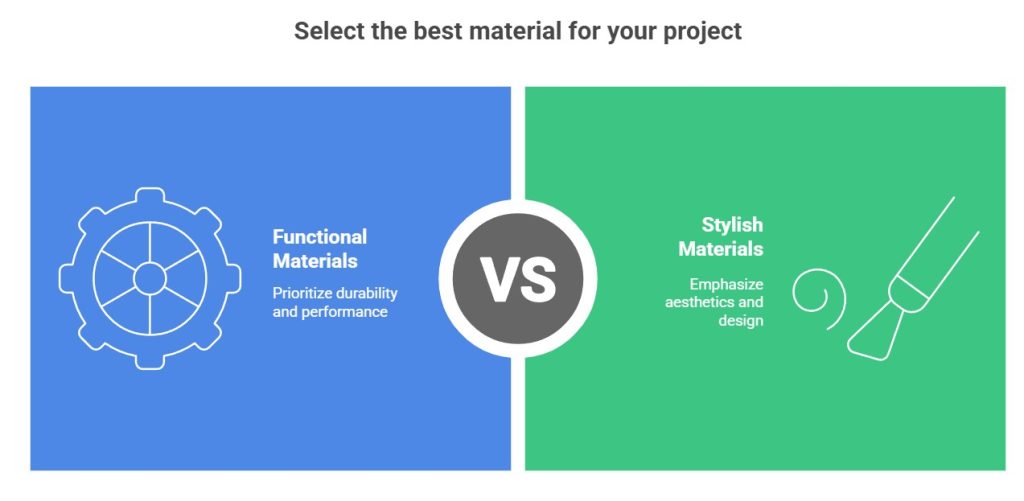
The material you choose should suit both your aesthetic goals and how you plan to use the piece. Common materials include:
- Solid wood (like oak or teak): Durable and timeless
- Metal: Industrial, strong, and ideal for frames or legs
- Engineered wood: Budget-friendly with flexible finishes
- Natural fabrics: Breathable and eco-friendly options like cotton or linen
If you live in a humid climate like Singapore, choosing materials resistant to moisture and heat—such as treated wood or stainless steel—is especially important.
Sustainable material choices are also growing in popularity. Reclaimed wood and bamboo are environmentally friendly and offer a natural, warm aesthetic.
Step 5: Sketch or Describe Your Ideal Design
Even a simple hand-drawn sketch can go a long way in helping a designer understand your idea. You can indicate things like:
- Size and shape
- Number of drawers or shelves
- Preferred finishes or hardware
- Additional features (like wheels, fold-out parts, etc.)
If drawing isn’t your strength, write out your vision in detail or use apps that allow basic room and furniture modeling. Many custom furniture makers will also create digital renderings or mock-ups before final production.
Step 6: Think About Functionality and Flexibility
Beyond how a piece looks, consider how it will function on a day-to-day basis. Will it need to serve more than one purpose?
- A bench with built-in storage works great in narrow entryways.
- An extendable dining table accommodates both small dinners and larger gatherings.
- A custom TV console can be designed with space for cable management and concealed devices.
Designing furniture that fits into your everyday routine makes your space more efficient and enjoyable to use.
Step 7: Collaborate with a Trusted Furniture Maker
Not all furniture makers offer the same level of service, so choose one with experience in custom projects, transparent communication, and material knowledge.
When working with a brand like Ecozy Furniture, you’ll get direct support from concept to completion. They’ll help you understand the pros and cons of each material, suggest changes based on lifestyle needs, and handle the production timeline professionally.
Check reviews, view their past work, and ask for references if needed.
Step 8: Confirm Details and Delivery Timeline
Before giving the green light, go through the final design and terms carefully. Confirm:
- Overall dimensions
- Materials and finish samples
- Color palette and hardware options
- Lead time for production and delivery
- Whether installation is included
Custom furniture typically takes longer than retail items. Expect lead times ranging from 3 to 8 weeks depending on complexity and material availability.
If you’re ordering for a new home or event, make sure to factor that into your schedule.
Step 9: Add Personal Touches
Customization isn’t just about fit—it’s also about expression. You can personalize your piece in subtle ways:
- Monogramming or engraving a name or date
- Choosing a custom color mix for staining
- Selecting unique drawer pulls or legs
- Incorporating hidden compartments or creative storage features
These special details make the furniture not just practical, but meaningful too.
Step 10: Care for Your Custom Furniture
Once your piece arrives, regular care will keep it looking its best. Basic tips include:
- Dust wood surfaces weekly with a soft, dry cloth
- Use coasters and placemats to prevent water rings and scratches
- Avoid placing hot or wet items directly on the surface
- Follow care instructions specific to your upholstery or finish
If you opted for sustainable materials or finishes, your furniture maker may provide additional care guidance based on climate and usage.
Designing custom furniture is a collaborative, creative process that lets you shape your home around your life—not the other way around. With thoughtful planning and the right partner, you can bring a design to life that’s beautiful, functional, and truly one of a kind. Follow us on Instagram and Facebook to see how real customers are transforming their spaces with custom-made pieces tailored to their lifestyle.